The Sound Before the Drop
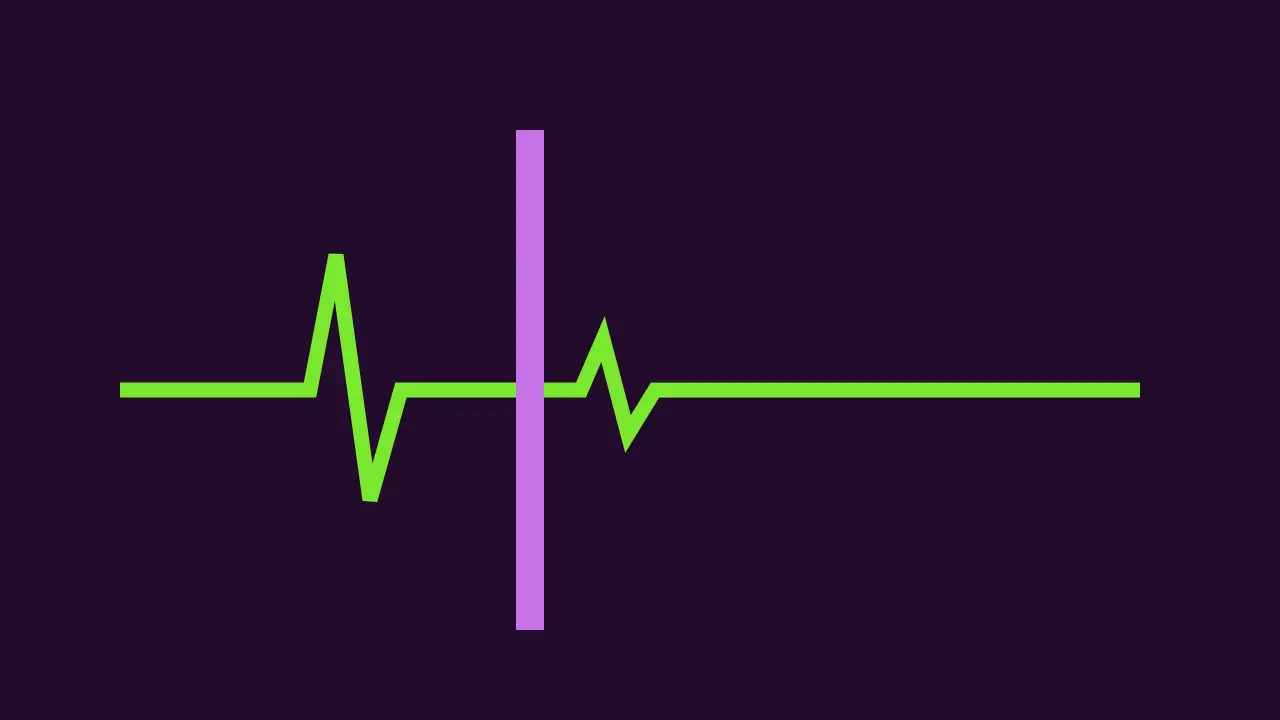
In the first draft, a person remembered opening their fingers. The animation cut to a brief metallic knock. We gave the paired event one handle on the reconstruction strip. That made it easy to move, but the tool appeared to corroborate which hand had dropped the object. The scene did not show that happening. This note records the changes to the controls and what we still need the exercise to demonstrate.
Start with the only sight line
Place a witness at the top end of a rail where it turns toward a window. The elbow comes into view from that position. The hand is sometimes concealed by the near rail and the bottom of the stair cannot be seen at all. Ask someone to watch from here and recount the scene. They can describe the movement, and they can describe a noise. Both answers are valuable. The place where the object lands cannot be obtained simply by watching the same image again.
On a second pass, return to the moment before the hand opens and follow the dark edge under the paint. It runs down one flight before a dividing wall blocks the view. We keep this edge in the frame for a few moments after the strike. It provides a physical reason to question the inferred landing rather than asking the reader to distrust the entire clip.
Give the strike an independent position
The gesture now creates a trace with a small crop of the rail and the opening hand. The strike creates a different trace with its short return and the recording position. The first can be moved along the strip without the second following automatically. A player can then group the two if they judge the pair useful. The strip keeps the gap visible and provides a way to ungroup them. The memory as it was originally presented remains available in both cases.
We tried to let a highlighted bar stand for the gap. It read as the duration of the sound and became difficult to explain. The next view gives the gap a start and an end that can move relative to either trace. A reader can select the strip marker and see which gesture or sound defines each side. The visual weight stays on the two fragments. The gap occupies only the stretch that can be discussed.
Repeat the sound from below
At the lower landing, the source makes a distinct return against an open part of the wall. The sound designer can play versions from the two positions in a simple repeatable order. The current versions share the first short impulse. Their returns separate a little later. Listeners can compare this difference without inferring that the game has confirmed the source of the original sound.
The audition is a comparison made during the investigation. It belongs beside the testimony as a new record. It never overwrites the item you placed earlier. This makes it possible to suggest that a different object caused the strike while keeping the original hand movement visible on the strip. The Fall Between Rooms shows where that separation sits in the main sequence.
What counts as a successful review
We want a reader to point to the limitation in the image, keep the gesture and strike as distinct events, and choose where to look next. A firm claim about the object can come later, when the landing produces a separate mark or a different account supplies a useful location. If the player closes the exercise with the two events still adjacent, their reconstruction can be reasonable. What matters is that they can reopen the link and explain why they left it there.
The clock study applies the same separation to a dial reading and a remembered time. Those two records can diverge even when the witness describes the face in unusually precise detail.